
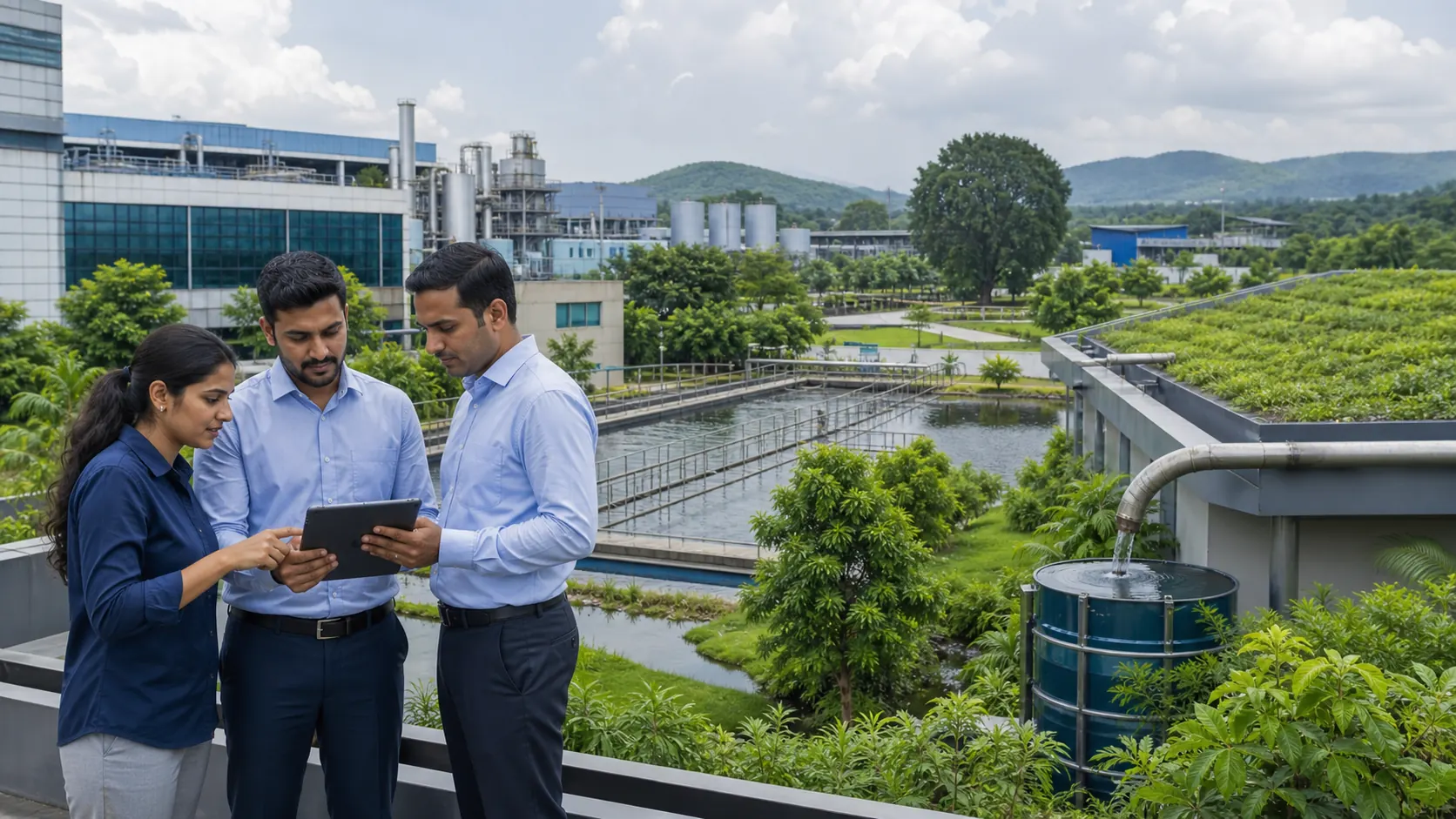
Solar energy and water infrastructure share a practical connection: pumps, treatment equipment and controls need dependable energy, while sites often have roofs, land or operating schedules that can support solar generation. The opportunity is real, but a successful system begins with pump duty, water demand, storage, treatment quality and maintenance—not with panel capacity alone.
Map the water and energy loads
List pumps, blowers, mixers, dosing systems, membranes, lighting and controls. Record rated power, actual operating hours, starting current, duty cycle and seasonal variation. A nameplate total can overstate or understate the energy profile if equipment runs intermittently.
Match the energy profile to water demand. Pumping into storage during daylight may be practical, while a continuous treatment process may need grid support, batteries or a hybrid arrangement. The design should state what happens when solar output falls or the tank is full.
Design around hydraulic duty
Pump selection depends on flow, total dynamic head, friction, water level, duty point and required operating hours. Solar modules do not compensate for an inefficient pump or an incorrect pipe network. Review suction conditions, valves, filters, pipe diameter and elevation before sizing the array.
Variable-speed drives can help match output to available solar power and tank levels, but they need appropriate controls and protection. Keep dry-run, overload, surge and low-water safeguards visible to operators.
Use storage as the balancing element
Water storage often provides a simpler buffer than electrical storage. Solar can pump water into an elevated or ground tank during the day, with gravity or a smaller booster meeting later demand. The tank must be sized around collection, demand, overflow and quality retention.
Avoid holding water longer than the quality plan allows. Covered tanks, circulation, cleaning and disinfection requirements depend on the intended use. Storage is part of both the hydraulic and public-health design.
Integrate treatment and controls
Treatment equipment may have minimum flow, pressure, contact time or sequencing requirements. A solar-powered pump should not feed a membrane, filter or disinfection stage outside its operating envelope. Provide instrumentation for pressure, flow, tank level and critical quality parameters.
Controls should prioritise safe operation: stop on low level, divert off-specification water, protect membranes from pressure shocks and restart predictably after a power interruption. A clear manual bypass may be valuable where a facility cannot afford extended downtime.
Check site, safety and maintenance
Assess roof structure, shading, cable routes, earthing, lightning protection, access and cleaning. Ground arrays need foundations, drainage and protection from traffic. Water-treatment areas add corrosion, humidity and chemical exposure that can affect equipment selection.
Plan inspection of modules, inverters, pumps, filters, valves and sensors together. Keep critical spares and document who responds to alarms. Solar reduces operating emissions only while the complete water system remains available and well maintained.
Build a conservative business case
Compare avoided grid energy, diesel use, tanker pumping, peak charges and downtime against capital, replacement, cleaning, maintenance and residual grid consumption. Use actual operating hours and conservative solar availability rather than a headline annual estimate.
Test the system under cloudy periods, low demand, high demand and equipment downtime. A hybrid design may offer better resilience than a solar-only system if water service is critical. The best decision balances energy savings, reliability, quality and lifecycle cost.
Measure the combined outcome
Track solar generation, pump energy, water pumped, treatment throughput, storage levels, freshwater substitution, uptime and maintenance. These metrics show whether the project is delivering a water benefit, not merely producing electricity.
Review the design after commissioning. Adjust pump schedules, tank set points and treatment sequencing based on real data. The solar-water connection becomes valuable when the energy system and water system are managed as one operating asset.
Key takeaways
- Start with pump duty and water demand.
- Use storage and controls to manage variable solar output.
- Protect treatment quality and safe operation.
- Measure water, energy, uptime and lifecycle cost together.