
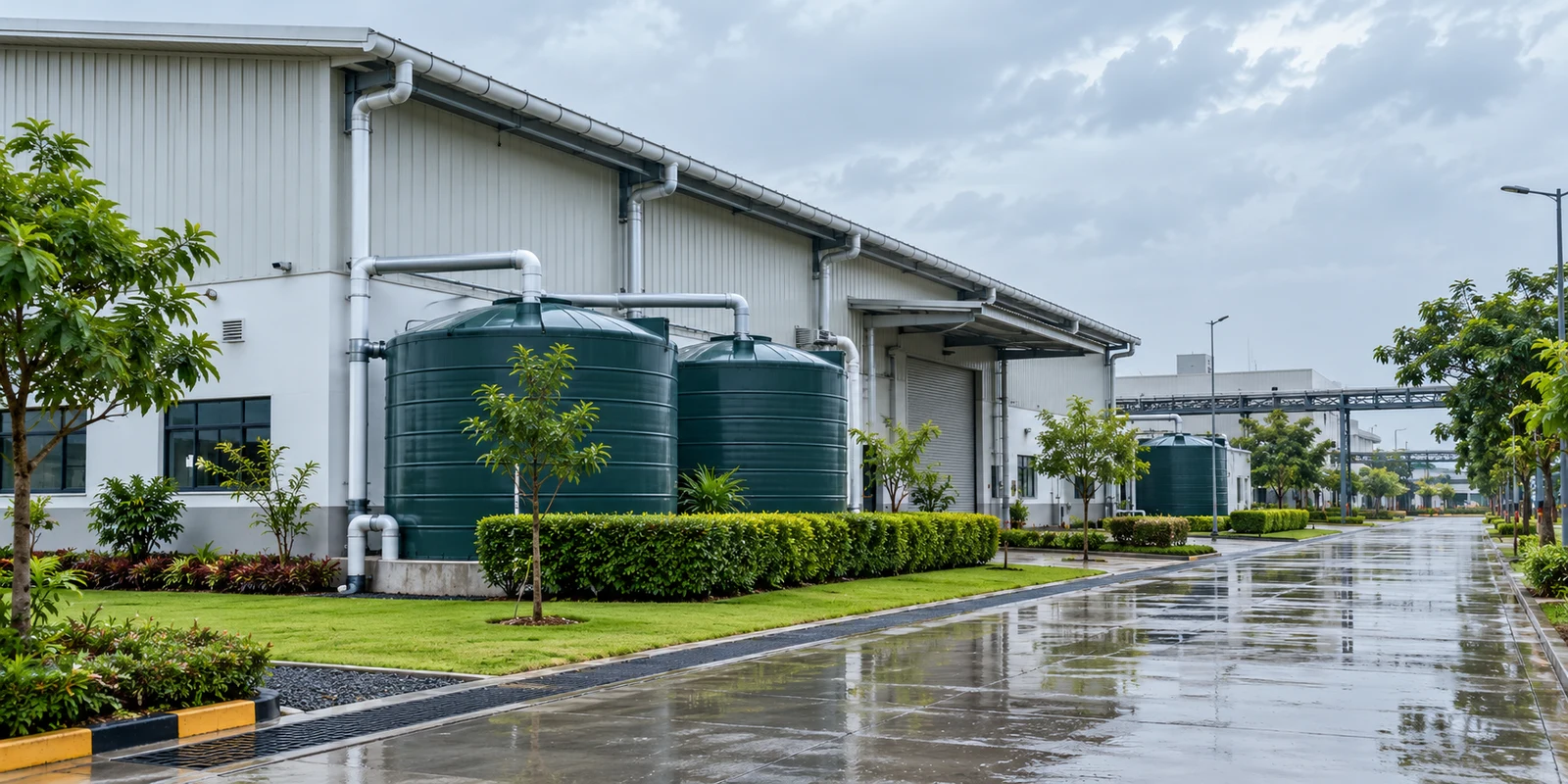
November can be a useful time to start planning a rainwater-harvesting project in much of India. It is not a universal deadline or a guarantee that construction will be ready before the next rains: rainfall patterns vary by region, and approvals, site conditions and procurement can change the schedule. But beginning after the current wet season gives a project team time to turn observations into a scoped, designed and maintainable system instead of rushing from concept to excavation. The India Meteorological Department’s normal dates show the southwest monsoon usually setting in over Kerala around 1 June and covering the country around mid-July, with regional variation. IMD notes that it advances “usually in surges,” so a national calendar is not a site-level construction guarantee. A November start therefore creates a planning window before the next monsoon season for many locations. The useful question is not “Can we finish by June?” but “What evidence and decisions must be ready before site work begins?”
“usually in surges,”
India Meteorological Department
Start with the water problem, not a structure
Write down the problem the project should solve. Is the facility trying to reduce purchased freshwater for landscaping, cleaning or cooling make-up? Is runoff causing local ponding? Is groundwater recharge a project objective? A single site may need a mix of storage, reuse and recharge, but each option has a different purpose, water-quality requirement and operating responsibility.
Build a monthly water picture: sources, uses, seasonal variation, quality constraints, current supply interruptions and expected future demand. Mark which uses can accept harvested rainwater and which require treatment or cannot be substituted. This turns “install rainwater harvesting” into a decision brief with an outcome that can later be measured.
Collect site evidence while the rainy season is fresh
Use the weeks after the rains to inspect roofs, paved areas, drains, low points, existing sumps, recharge structures and visible overflow routes. Record dimensions and material types; a roof with dusty or process-affected surfaces may need a different collection and first-flush approach from a clean roof. Photograph damage, sediment deposits, blocked screens and locations where water actually flows. Ask maintenance staff where water accumulates during heavy showers and which drains are routinely unavailable.
Gather rainfall records representative of the site, but do not design from annual rainfall alone. Distribution across months, storm intensity, dry spells and the catchment’s effective area affect how much water can be collected and when. The Central Ground Water Board’s artificial-recharge guidance treats site investigation, source water, planning, design, monitoring and operation and maintenance as connected parts of a recharge scheme—not optional details after construction.
Compare options and identify constraints
Before choosing tank capacity or recharge structures, map feasible routes for conveyance and overflow. Check access for cleaning, vehicle loading, underground utilities, building foundations, flood levels, available land and where a stored supply can be used. For recharge, assess whether local hydrogeology and water quality support the proposed method. Do not assume that every soak pit, borewell or injection structure is suitable merely because it fits the available space.
Compare a few system concepts: direct non-potable reuse, storage with a controlled overflow, recharge where technically appropriate, or a combined approach. The comparison should state assumptions, what further investigation is needed and how the system will operate during a low-rainfall year. Keep potable and non-potable networks clearly separated.
Use winter for design, coordination and approvals
Once the concept is selected, develop drawings and specifications for catchments, gutters, screens, first-flush diversion, filtration, storage, pumps, distribution, overflow and recharge components. Confirm water-quality checks and the required treatment for each use. Coordinate the civil, plumbing, electrical and controls interfaces with the facility’s existing systems. Resolve permissions and owner approvals early; requirements can differ by site and jurisdiction, so the project team should verify them locally rather than rely on a generic checklist.
Define acceptance criteria before tendering. Examples include inspected catchment connections, accessible cleanouts, tested pumps and controls, documented overflow routing, commissioning samples where needed, as-built drawings and an operator handover. This is also the time to agree who owns routine cleaning and who is called when a screen blocks or a pump trips.
Procure and build with a weather-aware buffer
Order long-lead equipment only after design interfaces are stable. Plan civil work around site operations, safety permits and the local weather window. Set hold points for excavation, waterproofing, pipe pressure tests and concealed work. Keep contingency for discovery of buried services or repairs to existing drains; starting early does not remove site risk.
Commission and learn before the first major storm
Test the system as a whole: water should travel from each intended catchment through debris control and first flush to storage, use or approved recharge, with a safe overflow path. Train the operators using the actual site drawings. Keep a log of rainfall, harvested volume, water used, maintenance, quality checks and faults. After the first significant storm, inspect for bypasses, ponding, sediment and unexpected cross-connections; then correct the design or operating procedure.
A November planning checklist
Planning in November is valuable because it gives teams time to make these decisions carefully. It is not the month itself that makes a project successful; it is the evidence, design discipline and long-term operating plan assembled before the next rainfall season.
For organisations with several facilities, use the same decision sequence but keep each site’s rainfall, catchment, approvals and operations evidence separate. A repeatable process is useful; copying a capacity or recharge detail from another location without checking local conditions is not.
- A defined water-security or drainage objective and monthly demand picture
- Surveyed catchments, drainage paths, utilities and site constraints
- Locally relevant rainfall and, where required, hydrogeological evidence
- A fit-for-purpose concept, water-quality approach and overflow plan
- Named owners for approvals, procurement, operation and maintenance
- Drawings, acceptance criteria, commissioning plan and schedule buffer
Key takeaways
- Define the water or drainage problem before selecting infrastructure.
- Survey catchments, rainfall, quality risks and site constraints while evidence is fresh.
- Resolve design interfaces, permissions, procurement and operating ownership before construction.
- Commission the complete flow route and review performance after the first major storm.
Related SWR guides and services
Sources and further reading
Calculation examples are illustrative planning calculations, not reported project results. Confirm current Indian and site-specific requirements before applying international guidance.