
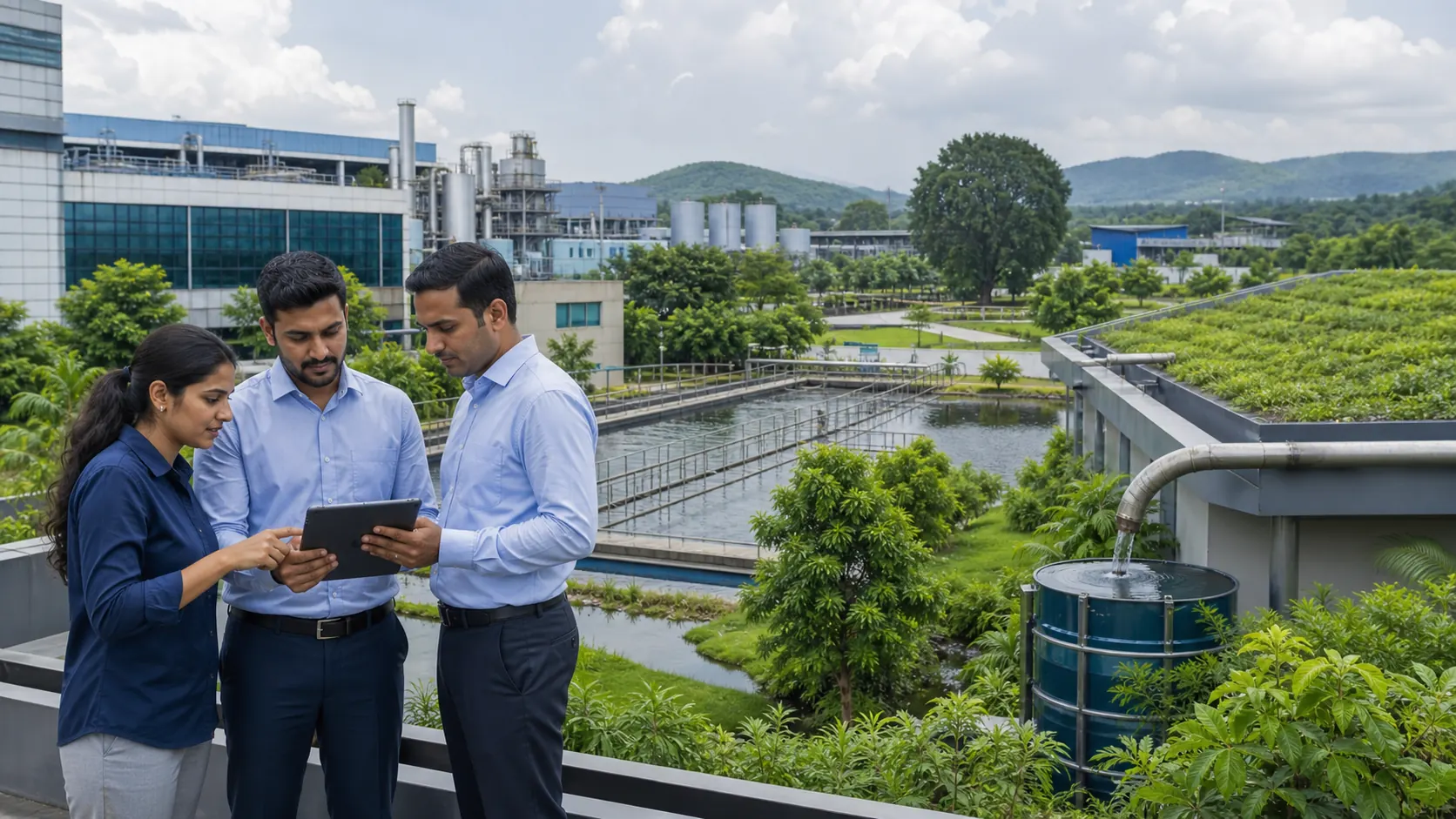
A CSR water project creates lasting value only when people can use, understand, maintain and trust it. Installation is an important milestone, but it is not the outcome. Sustainable programmes start with a verified need and continue through design, training, ownership, maintenance, monitoring and honest reporting.
Begin with a verified need
Confirm who uses the source, how much water is required, when demand peaks and what people currently do when the system is unavailable. Understand quality, distance, seasonality, accessibility, safety and the role of women, children, operators and local institutions.
Avoid selecting equipment before the problem is clear. A school may need drinking-water treatment and hygiene support; a village may need source protection, storage or distribution; a watershed may need recharge and soil-moisture measures. The intervention should follow the need.
Design for the local operating reality
Select technology that local operators can understand and maintain. Consider power reliability, consumables, spare parts, water quality variation, cleaning frequency, vandalism risk, climate and the availability of trained help nearby.
Provide simple drawings, labels, operating steps and safe-use guidance in an accessible language. A sophisticated plant that nobody can restart after a power cut is less sustainable than a simpler system with clear ownership and support.
Define ownership before handover
Name the person or institution responsible for daily checks, cleaning, minor repairs, consumables, records and escalation. Agree who pays for recurring costs and who approves larger repairs. Put these responsibilities in writing before commissioning.
Create a handover pack with asset details, warranty information, supplier contacts, maintenance intervals, water-quality requirements and emergency steps. Conduct practical training and observe the operator performing routine tasks rather than treating attendance as proof of readiness.
Fund maintenance and consumables
Filters, membranes, dosing chemicals, test kits, pump seals and electrical components have finite lives. The programme budget should include a realistic maintenance reserve or a clear local funding mechanism. Without this, equipment can become unusable even when the original installation was sound.
Use a maintenance calendar with daily, weekly, monthly and seasonal actions. Record each visit, part replacement, quality result and fault. This creates accountability and helps the sponsor see where additional support is needed.
Measure service, not only installation
Useful outcomes can include safe water quality, system uptime, users served, water availability, storage restored, irrigation area, litres treated or reduction in collection time. Select a small set that the local team can measure consistently.
Define the baseline, method, boundary and review frequency. Distinguish measured results from estimates and explain interruptions. Transparent reporting is more credible than a large number without a method or an owner.
Create feedback and escalation
Users should know how to report taste, odour, leakage, low pressure, damage or downtime. Display contact details and provide a simple escalation route. Review feedback with operators and community representatives so that design assumptions can be corrected.
Post-commissioning visits should check actual use, maintenance, water quality, safety and inclusion. A project may need a small physical modification, refresher training or a change in operating hours to deliver the intended benefit.
Plan the next five years
A durable CSR programme has a renewal path. State who will own the asset, how components will be replaced, how quality will continue to be checked and what happens when demand or climate conditions change.
The sponsor can publish a concise annual impact note with the project objective, location, beneficiaries, operational status, measured outcomes, challenges and next actions. This strengthens trust and helps future programmes learn from real performance rather than launch-day photographs.
Key takeaways
- Verify the need before selecting equipment.
- Design for local skills, power and maintenance realities.
- Fund recurring costs and assign ownership before handover.
- Report operational outcomes transparently over time.